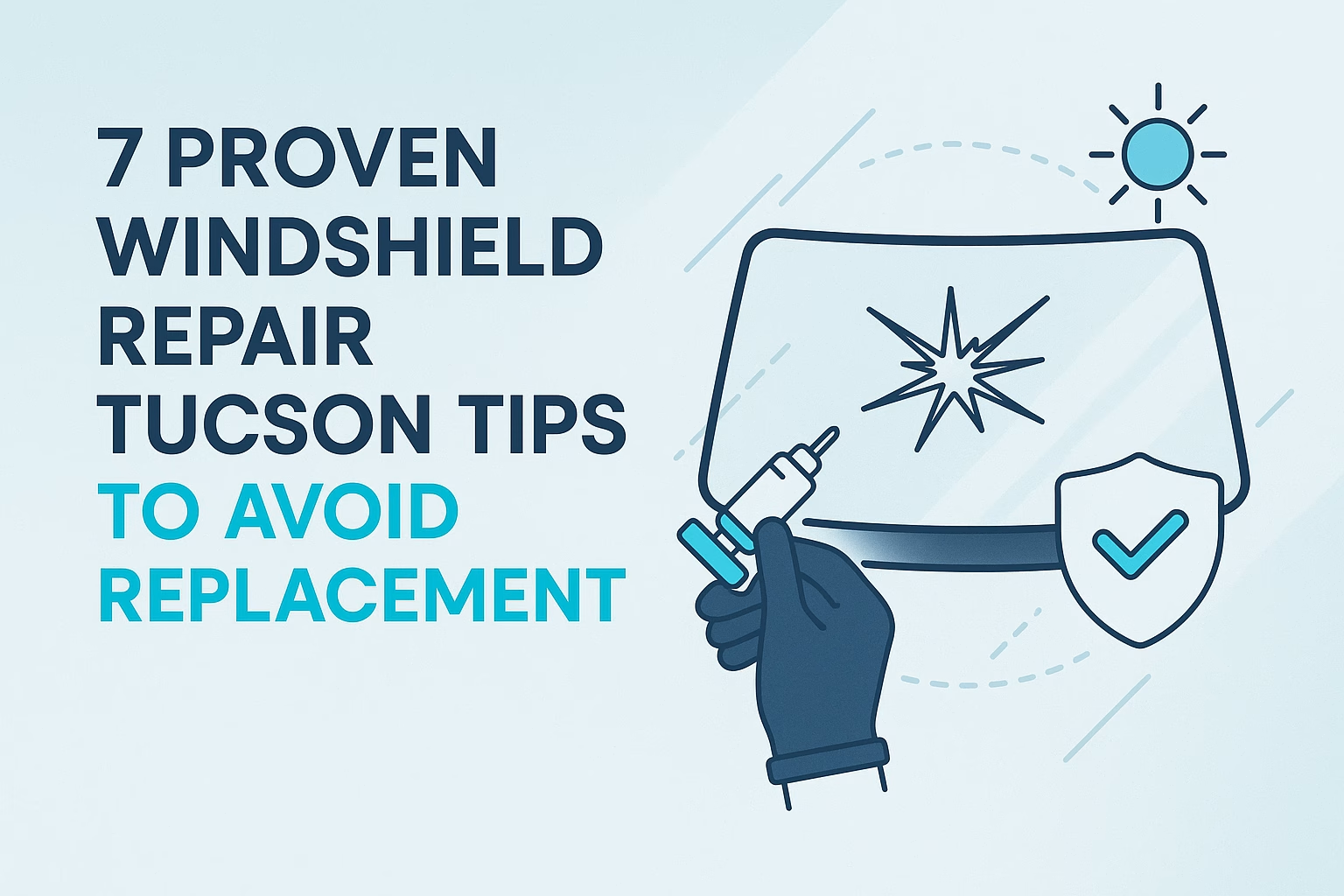
Introduction to bullseye vs starburst in windshield repair Tucson
A small rock taps your windshield, and a mysterious shape blooms across the glass. Those chip patterns matter because each one spreads differently in Tucson heat and monsoon swings. Understanding the shape helps you decide how quickly to act and whether a simple repair will restore clarity. Here is how to tell bullseye from starburst and how windshield repair Tucson pros decide what can be saved before glass damage forces a full replacement.
Spot the difference in chip patterns that windshield repair Tucson can fix
Bullseye chip basics and what makes it repair friendly
A bullseye looks like a circular cone with a defined dark center. When treated early, it usually fills and clears well because the break has a more uniform cavity that allows resin to flow completely.
- Appearance round shape with a distinct center and a surrounding ring
- Why it repairs well the internal cavity is accessible, so resin fills and cures evenly
- Best practice repair promptly before dirt and moisture contaminate the cavity
For authoritative definitions of bullseye, half moon, star break and combination breaks, see the industry standard from ROLAGS definitions.
Starburst or star break and why its legs complicate clarity
A starburst, also called a star break, shows radiating legs that spread from the impact point. These legs can be tight or long and may trap air, which can make them stubborn to clear fully.
- Appearance multiple thin lines radiating from the impact point
- Repair challenge tight legs can resist resin flow and may leave faint lines after cure
- Pro tip experienced techs use flexing and heat control to encourage resin into the legs
For a veteran perspective on clearing star legs and making repair decisions, read the expert discussion at repairable breaks insights.
Half moon and combination breaks quick ID
A half moon is a partial bullseye that forms an arc rather than a full circle. A combination break mixes a bullseye core with star legs radiating outward. Accurate ID of chip patterns helps set realistic expectations for final clarity and determines whether a quick repair or a replacement is the smarter choice.
- Half moon partial ring that often repairs similarly to a bullseye
- Combination break bullseye center plus star legs, requires careful resin placement
- Crater or pit only surface level impact without internal cracking, often a simple fill
Repair or replace in windshield repair Tucson
Size and location thresholds that guide the call
Pros look first at size and location. These practical guidelines align with common industry standards and insurer policies.
- Size many bullseyes and half moons up to about the size of a quarter are repairable, and single cracks up to about six inches can often be stopped
- Location damage in the driver primary line of sight, near the glass edge, or over embedded sensors or cameras often points to replacement
- Quantity multiple impacts in close proximity can weaken the laminate and reduce repair success
- Contamination dirt and moisture reduce optical clarity after repair, so faster action brings better results
When in doubt, a technician will measure the damage, check the distance to edges, evaluate sight lines, and inspect for any internal moisture before recommending a safe path forward.
When replacement protects structure and visibility
There are situations where a fresh windshield is the safer and more economical choice for long term visibility and vehicle structure.
- Long or edge cracks any crack that reaches an edge or runs long can compromise strength under stress
- Multiple impacts several chips across the field of view limit clarity even after repair
- Deep glass damage damage that penetrates into or through the laminate is not repairable
- ADAS considerations vehicles with cameras, rain sensors, or lane assist modules may require glass with specific brackets and then a calibration
Learn what triggers replacement and why proper materials and ADAS calibration matter in Tucson at our auto glass replacement guide.
Tucson factors that accelerate glass damage and complicate chip patterns
Heat, AC thermal shock, dust and monsoon moisture
Desert living is hard on glass. The same environment that makes a tiny chip easy to spot can also make it spread in a hurry.
- Heat and cold AC blazing sun followed by cold air inside creates thermal shock that makes legs grow
- Dust and grit windblown debris packs into the cavity and reduces repair clarity
- Monsoon moisture sudden rain pushes water into the break and can stain the PVB layer
See our local risk checklist and first aid steps to preserve repairability in the Tucson chip repair risks guide.
How the windshield repair Tucson process works
Assessment, resin injection, UV curing and polish
Modern tools make windshield repair Tucson efficient and precise. The basic steps are consistent, though skilled hands make all the difference.
- Assessment identify the chip type, measure it, check location, and inspect for contamination or moisture
- Prep clean loose glass from the impact point and position a bridge and injector over the break
- Vacuum and pressure cycles pull air out, then inject resin to fill the cavity and any star legs
- UV cure harden the resin under UV light for a durable bond
- Polish remove excess resin, level the surface, and polish for clarity and smooth wiper travel
Get the detailed step by step with photos and prevention tips in our local auto glass repair guide.
Aftercare that helps the repair last
Good aftercare protects the repair during the final cure window.
- Avoid high pressure car washes for 24 hours
- Skip harsh glass cleaners on the repair for the first day
- Do not blast cold AC on a hot windshield immediately after repair
- Leave any surface tape on until your tech says to remove it
- Drive gently and avoid slamming doors for a few hours to reduce pressure spikes
Most drivers can safely drive away within minutes depending on cure time and temperature.
Quick self check before you book
Five questions that frame a smart decision
Answer these before you schedule, and you will be ready for a fast recommendation.
- How big is the chip compare to a penny or a quarter
- Where is it check distance from edges and whether it sits in the driver primary line of sight
- How many impacts one clean chip is easier to restore than several
- Is there dirt or moisture contamination lowers post repair clarity
- Any ADAS cameras or sensors look for mirror mounted cameras, rain sensors, or heads up display zones
Simple first aid to slow crack spread
- Gently cover a fresh chip with clear tape to keep out dust and moisture
- Park in shade to reduce thermal stress
- Avoid blasting cold AC on hot glass
- Schedule repair promptly before daily heating and cooling cycles make the break grow
FAQs about windshield repair Tucson
How fast can a bullseye or starburst be repaired
Most single chips take about 30 minutes to an hour depending on chip patterns and contamination. Combination breaks and long star legs may take a bit longer to fill and cure properly.
Does insurance cover chip repair
Many Arizona policies waive the deductible for chip repair. Ask your carrier about glass coverage and repair options that reduce the risk of a full replacement. A covered repair typically protects your rates better than waiting until the damage spreads.
Can mobile service handle starburst chips
Yes, if size and location fit standards. Mobile windshield repair Tucson can stop spread before a workday or weekend drive makes the glass damage worse. Your tech will confirm repairability on site.
Conclusion for windshield repair Tucson
Bullseye chips usually repair cleanly, starburst legs demand faster action, and Tucson heat and dust raise the stakes. Identify your chip patterns accurately, check size and location, and act before glass damage grows.
Ready for clear vision and a quick fix Use our contact form to schedule or ask a tech your chip question today through our contact page.