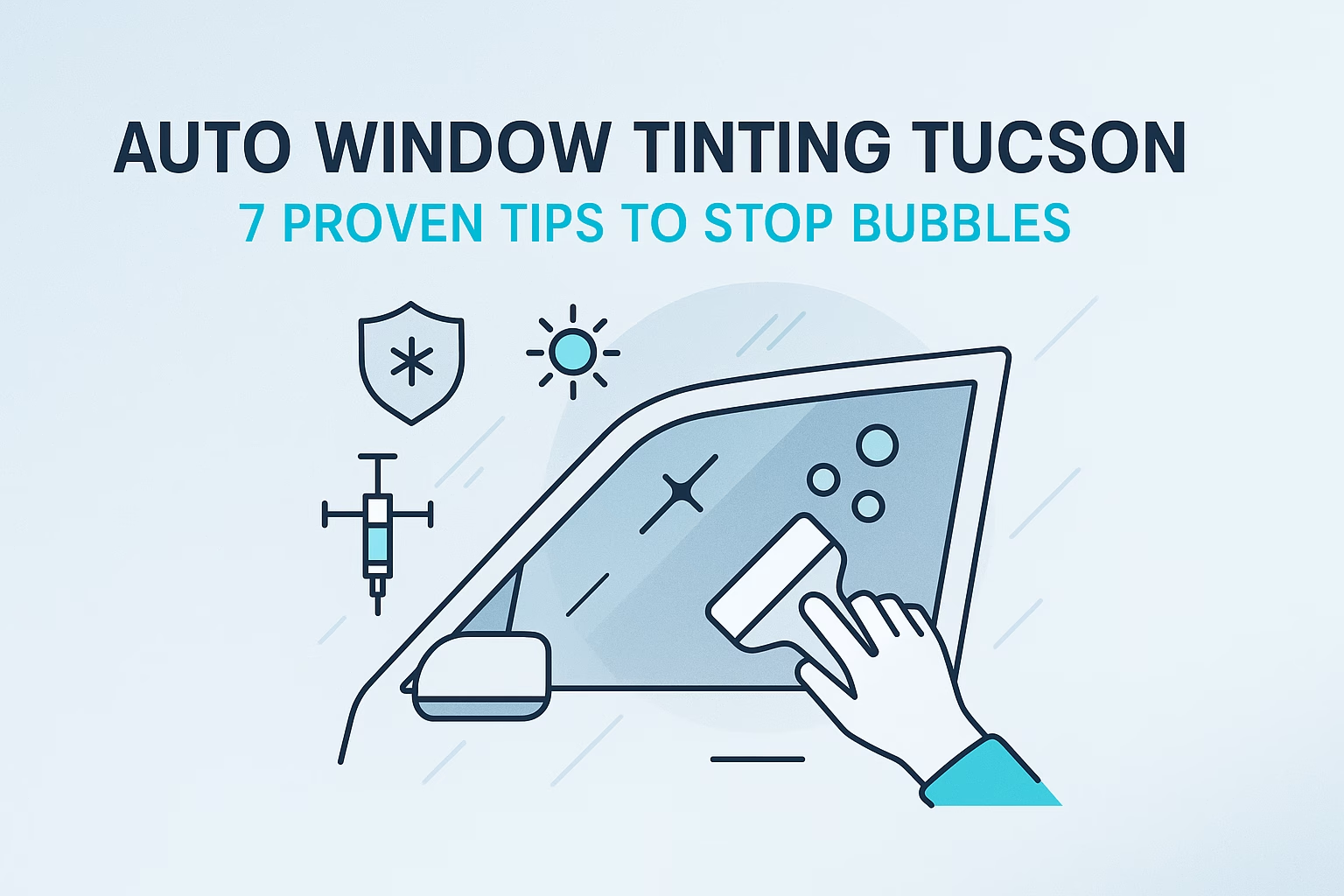
Introduction to auto window tinting Tucson and the bubbling tint problem
When Tucson heat turns bargain tint into bubbles and haze within a single summer
Drive any Tucson freeway in summer and you will spot it fast. Shiny windows gone dull, spots that look like blisters, hazy patches that refuse to go away. In other words, bubbling tint. The combination of desert sun and cabin heat makes weak films fail fast. If your last install seemed fine in spring but showed bubbles, haze, or color shift by monsoon season, you experienced how unforgiving Tucson can be.
High performing auto window tinting Tucson is not just about shade. It is about materials, adhesives, and the way film is prepped and installed. Do it right and you can enjoy a cooler, glare free cabin for years. Cut corners and you invite quick failure.
What really causes bubbling tint, film peeling, and heat damage in desert driving
Bubbles form when the adhesive that bonds film to glass loses grip. That is often triggered by heat soak, ultraviolet exposure, moisture trapped during installation, or outgassing from the glass surface. As bubbles spread, they create points where air and dust intrude, and that leads to film peeling. Prolonged heat amplifies it all, causing heat damage that distorts optics and degrades clarity.
The fix that lasts in auto window tinting Tucson circles quality ceramic film, expert prep, compliant VLT, and proper aftercare
To stop bubbles before they start, successful Tucson drivers do four things:
- Choose ceramic film that rejects infrared heat while staying color stable
- Prioritize expert surface prep and clean room style installation
- Select a compliant VLT that balances heat control and visibility
- Follow curing and care rules to protect the bond and avoid film peeling
Why Tucson’s climate exposes weak tint fast in auto window tinting Tucson
The Arizona sun drives interior temperatures sky high accelerating adhesive breakdown and heat damage in cheap films AZ PBS on cabin temperatures
Parked vehicles in the Arizona sun can reach extreme cabin temperatures. That relentless heat cycle bakes low grade adhesives, dries out plasticizers, and causes expansion and contraction that weak films cannot survive. As adhesives fatigue, micro channels form, and those become visible bubbles that expand with each day of heat soak.
UV intensity plus rapid temperature swings stress low grade dyes and adhesives leading to bubbling and film peeling
Tucson’s ultraviolet intensity punishes dyed films, fading them toward purple and weakening the adhesive layers. Add rapid temperature swings from midday sun to evening cool, and the film layers shear against each other. The result is haze, loss of color, and early stage film peeling, especially around edges and defroster lines.
Cheap film versus ceramic film in auto window tinting Tucson results
Ceramic versus dyed films in the desert why infrared rejection and stable color matter for heat damage and longevity
Modern ceramic films use nano ceramic particles that reject a significant portion of infrared heat without relying on dyes or metallic layers. That means cooler cabins, less thermal stress on adhesives, and color that stays true. In Tucson, where the sun is brutal, the difference shows up fast. Ceramic tint protects against heat damage and maintains clarity far longer than basic dyed film.
- Infrared heat rejection lowers cabin temperature and reduces load on adhesives
- Color stable construction avoids purple fade and keeps a factory look
- Non metallic performance prevents signal interference with GPS and cellular devices
How dyed films absorb heat fade to purple and trigger adhesive failure that starts as tiny bubbles and grows into film peeling
Dyed films work by absorbing energy. In Tucson that absorbed heat builds up at the glass film interface and stresses the adhesive. Over time the dye fades, clarity drops, and you will see tiny bubbles migrate into larger blisters. Left unchecked those blisters reach edges and become visible film peeling.
Installation quality the invisible factor behind bubbling tint in auto window tinting Tucson
Surface prep, edge sealing, dust control, and cure time the habits that prevent edge lift and early bubbles
Even the best film will fail if it is installed on a contaminated or poorly prepared surface. Shops that excel in auto window tinting Tucson follow a disciplined process:
- Deep clean with proper glass scrubbing, clay, and lint free wipes to remove invisible coatings
- Dust control with filtered air, tack cloths, and anti static sprays for dirt free adhesion
- Precision cutting with plotter cut patterns to avoid rough edges that invite lift
- Edge sealing where appropriate to lock down vulnerable perimeters
- Correct cure with patient squeegee technique and time for moisture to evaporate before exposure to heat
DIY shortcuts and rushed curing how moisture intrusion and poor adhesion turn into long term heat damage
Common shortcuts include cutting film on the glass, reusing old blades, skipping a second clean, or rolling windows down before curing is complete. Trapped moisture looks like milky haze at first, but in desert heat it can boil into bubbles and permanent heat damage. A rushed job today becomes a warranty claim tomorrow.
Early warning signs of failure in auto window tinting Tucson
Persistent bubbles, haze, or distortion after curing versus normal drying what to watch in week one
Some faint haziness or micro water beads are normal in the first few days as film cures. What is not normal is:
- Bubbles that grow or do not move when pressed lightly
- Milky patches that persist beyond the stated cure window
- Optical distortion that makes lines look wavy after full cure
Edge lift, specks, or streaks near defroster lines and dot matrix patterns that hint at future film peeling
Inspect edges closely. Look for tiny lifts at the corners, dust specks that create pinholes, or streaks along rear defroster lines and dot matrix areas. These are common failure points and early signs that film peeling could follow without intervention.
Legal clarity and safety in auto window tinting Tucson
Choose legal VLT and non reflective options to control heat without tickets or reduced visibility Arizona tint law guide for Tucson drivers
Staying within Arizona law keeps you cool and ticket free. A shop that understands auto window tinting Tucson will guide you to a legal VLT that balances glare reduction with safe night driving. Non reflective films are often recommended on the windshield banner and front windows to reduce glare without creating mirror like reflections that can draw attention.
How compliant tint improves daytime glare control and nighttime clarity while preserving ADAS camera performance
Properly selected and installed tint reduces eye strain in bright daylight and maintains safe visibility at night. It also helps preserve the clear view required by ADAS cameras and sensors that monitor lanes, traffic, and driver assistance features. Clear communication with your installer about any forward facing cameras ensures compatible placement and compliance.
Materials and glass compatibility for long lasting auto window tinting Tucson
Laminated windshields, thermal stress, and film compatibility understand how quality films interact with glass layers Windshield anatomy and heat reduction
Most windshields are laminated, which means layers of glass are bonded with a plastic interlayer. That construction handles impacts differently from tempered side glass and can react to heat in unique ways. Quality films are engineered to work with laminated structures, spreading heat more evenly to reduce thermal stress and optical distortion.
Selecting reputable film brands with stable adhesives so Tucson’s heat does not trigger bubbling or heat damage
Choose brands with a track record in desert climates. Look for published infrared rejection data, color stability testing, and warranty terms that include bubbling, film peeling, and heat damage. Stable adhesives and ceramic construction are your best defense against Tucson summers.
Care and maintenance that keep tint looking new in auto window tinting Tucson
Curing rules avoid rolling windows down early, keep cleaners ammonia free, and shade park to prevent film peeling
- Respect cure time as advised by your installer before rolling windows down
- Use ammonia free cleaners and soft microfiber towels to protect coatings
- Shade park when possible in the first week to reduce heat spikes
- Avoid abrasive tools on dot matrix and defroster areas
Seasonal checkups for edge lift and small bubbles catch issues early and preserve your warranty
Every season, inspect your tint for tiny bubbles, edge lift, or contamination points. Catching issues early allows a shop to reseal edges or address localized problems before they turn into full film peeling. Keep your proof of purchase and warranty documents handy for any claim.
When to remove and re tint for drivers focused on auto window tinting Tucson
Signs it is time removal beats repair widespread bubbling, purple fade, cloudy distortion, or stubborn edge lift Removal and retint tips for Tucson heat
Some damage cannot be salvaged. If you see widespread bubbles, purple fading, persistent haze, or edges that refuse to stay down, replacement is the smarter long term move. Quality shops can remove the old film cleanly, preserve rear defroster lines, and prepare the glass for a fresh ceramic install.
Professional removal prevents rear defroster damage and paves the way for a clean ceramic install
Rear defroster grids are fragile. Professional removal uses steam, controlled heat, and safe solvents to protect those lines and avoid adhesive residue. The payoff is a flawless surface that helps your new ceramic tint bond correctly and resist future heat damage.
The real cost of cheap film in auto window tinting Tucson
Short term savings versus repeat installs, lost comfort, and reduced resale value from heat damage and peeling
That bargain tint often becomes the most expensive choice after you factor repeat installs, summer discomfort, and the hit to resale value from hazy or peeling windows. Pay once for proven ceramic performance and skilled installation and you save time, money, and frustration.
What a quality install includes film specs, prep standards, warranty terms, and documented compliance
- Film specs with verified infrared rejection, ultraviolet protection, and color stability
- Prep standards that include full glass decontamination and dust control
- Warranty terms that cover bubbling, film peeling, color change, and heat damage
- Documented compliance on VLT and reflection to satisfy Arizona law
How to choose the right shop for auto window tinting Tucson
Questions to ask about film type, ceramic performance, IR rejection, adhesives, and desert specific testing
- Which ceramic film lines do you carry and what is their tested infrared rejection
- Is the adhesive system pressure sensitive and designed for high heat climates
- Do you have third party test data for color stability and optical clarity
- How do you handle dot matrix areas and rear defroster lines
- What is the cure guidance for Tucson heat and how is warranty coverage affected
Proof of process clean room prep, plotter cut patterns, edge sealing, and written warranties against bubbling and film peeling
- Show me your prep How do you control dust and contaminants during install
- Pattern quality Do you use plotter cut templates matched to my vehicle
- Edge protection When and how do you seal edges to prevent lift
- Warranty in writing Can I have a written warranty that covers bubbling and film peeling for Tucson conditions
- Aftercare plan What are the exact curing and cleaning rules I need to follow
Conclusion on bubbling tint and auto window tinting Tucson
Key takeaways invest in ceramic film, prioritize expert installation, follow curing and care rules, and stay legal to avoid film peeling and heat damage
- Ceramic film beats dyed film in Tucson by reducing cabin heat and resisting fade
- Expert prep and install prevent bubbles, haze, and early edge lift
- Compliant VLT protects visibility and helps you avoid tickets
- Care matters Follow cure and cleaning rules to protect the bond and avoid film peeling
Ready for a bubble free, cooler cabin Schedule a consultation or request a fast quote
Your next summer can be cooler and clearer. Reach out through the contact form to ask questions, compare ceramic options, or book a zero pressure consultation today.