Introduction
Desert roads, high sun glare, and monsoon grit can turn a tiny chip into a spreading crack before you blink, which is why windshield repair Tucson AZ lives at the intersection of chemistry and climate. Heat and UV levels change how resin behaves in your glass, and dust or moisture can reduce bond quality if they are not managed correctly.
This guide breaks down the resin science behind professional polymer repair, how technicians preserve glass clarity, and what matters most in Tucson heat. You will learn what technicians look for, why UV curing strategy matters, and exactly how the right resin formulation restores both strength and optics.
Bottom line: with the right resin chemistry, curing method, and standards driven process, windshield repair Tucson AZ restores strength and visibility while preventing costly replacements.
How Laminated Glass and Resin Work Together
What a resin actually fixes inside laminated glass
Modern windshields are a sandwich of two glass plies bonded by a thin layer of PVB interlayer. When a rock strikes the outer ply, it creates chips and micro fractures that scatter light and weaken the area. A professional polymer repair injects a low viscosity resin into those tiny channels to rejoin the fractured glass and rebalance stress.
The goals are twofold:
- Structural reinforcement so the damaged zone can tolerate vibration and temperature swings without spreading
- Optical blending so the repaired area refracts light like the surrounding glass, improving daytime and nighttime visibility
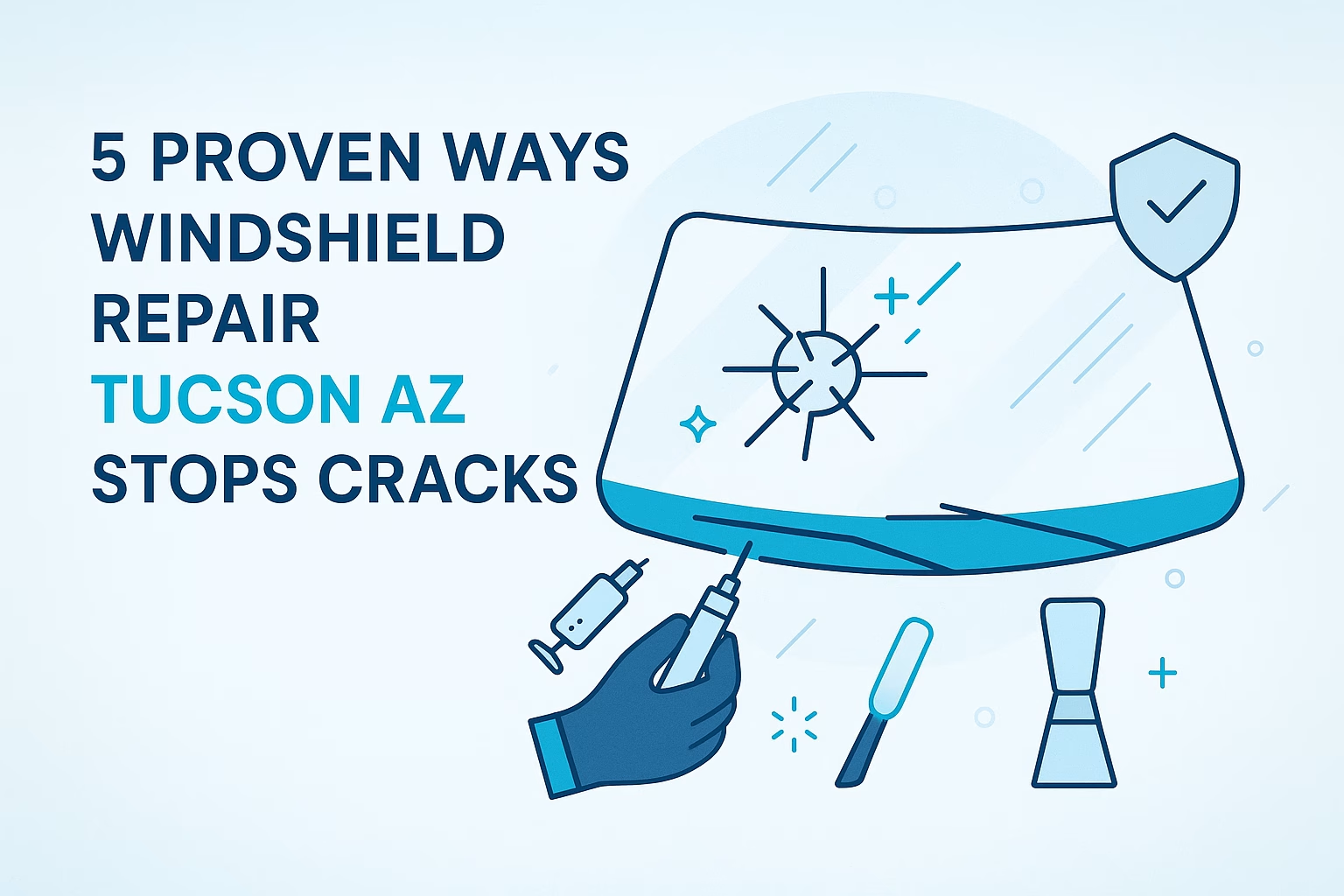
Here is the high level service flow most pros follow for windshield repair Tucson AZ:
- Clean and dry the impact site while preventing contamination of micro cracks
- Set up a bridge and injector to create a sealed chamber over the chip
- Alternate vacuum and pressure cycles to remove air and drive resin through the crack geometry
- Use capillary action and time to fully wet micro fractures
- Apply curing film, then cure with controlled UV light for a complete, tack free finish
- Polish the surface pit for smooth wiper performance and improved optics
To see the steps we follow on site, visit our full windshield repair process.
The performance targets behind a quality repair
Repair quality is judged by three measurable outcomes:
- Strength recovery through tight bonding, good wet out, and controlled shrink so cracks do not propagate
- Optical match so the refractive index of the resin closely matches glass and glare is minimized
- Durability against UV exposure, heat cycles, vibration, and car wash pressure
Reputable shops follow industry guidance that defines acceptable damage types and expected outcomes. Review the ROLAGS standard for laminated glass repair to understand what is considered safe and repairable.
UV Curing Chemistry in Tucson Sun
How photoinitiators kick off polymerization
Windshield resins contain photoinitiators that react when exposed to UV energy near 365 nanometers. The photoinitiators create free radicals that link monomers into a solid network. Curing tapes or films help exclude oxygen which can inhibit surface cure and leave a tacky layer.
In practice:
- Use the correct wavelength UV lamp and keep lenses clean for steady output
- Place curing film to block oxygen and flatten the surface
- Watch for symptoms of oxygen inhibition such as gummy tops or haze
For a practical troubleshooting guide on tacky surfaces or brittle fills, see this helpful explainer from Delta Kits: why a windshield repair resin may not cure.
Balancing cure speed, heat, and glass clarity
Tucson sun and ambient heat accelerate reactions, which can create too rapid a cure. That can trap micro bubbles, exaggerate shrink, and reduce glass clarity. Skilled technicians adjust technique to manage exotherm and ensure a full depth cure.
Smart adjustments include:
- Stage the cure with short pulses to allow bubbles to rise and collapse
- Increase lamp distance or add shade to temper heat buildup
- Use curing film to maintain a smooth surface and consistent refractive properties
Our team staggers UV exposure to ensure complete polymerization without optical distortion. Explore how we do it in our documented repair approach.
Resin Selection: Viscosity, Elasticity, and Refractive Index
Matching viscosity to chip type and desert temperatures
No single resin fits every repair. A star break with tight, branching legs demands a lower viscosity resin that can penetrate fine micro channels. A shallow bullseye or combination chip may benefit from a slightly higher viscosity to prevent slump on a hot glass surface.
In desert heat, technicians plan for:
- Flow control so resin wets every fracture without draining away
- Elasticity to absorb thermal expansion between morning lows and afternoon highs
- Shrink management to preserve bond line integrity and optics
For a deeper look at how hot weather changes resin behavior, see this guide: hot weather and resin viscosity.
Why refractive index matching preserves glass clarity
Glass has a refractive index near 1.52. High quality windshield resins are engineered to closely match that value. When indices are aligned, light bends consistently across the repair, dramatically improving glass clarity and reducing glare that can distract drivers in full Tucson sun.
We choose resins for index match and stability, then use careful injection and vacuum cycles to eliminate trapped air that would scatter light. Learn how we optimize optical results for windshield repair Tucson AZ here: our approach to preserving clarity and saving your windshield.
Repair vs Replacement: Safety and Standards for windshield repair Tucson az
When a repair is the safe choice
A repair is typically appropriate when the chip is small enough, stable, and not obstructing critical sight lines. Shops consider:
- Size and type such as a stone chip or short crack within standard limits
- Location away from the driver primary viewing area and at least several inches from edges
- Systems including ADAS camera visibility and heating elements that must remain unobstructed
Our technicians evaluate structural impact zones, passenger airbag deployment support areas, and ADAS visibility before recommending windshield repair Tucson AZ.
When to replace instead of repair
Replacement is the safer option when damage compromises structural integrity or compliance. Common examples include:
- Long cracks that intersect the driver primary viewing area
- Cracks reaching or running along the glass edge
- Multiple chips clustered together or severe contamination
- Damage that distorts ADAS camera views
See our criteria and safety first recommendations here: windshield repair and replacement guidance.
Tucson Reality Check: Time, Moisture, and Dust
Why waiting makes chips worse in Southern Arizona
Tiny chips often expand quickly in Tucson. Reasons include:
- Thermal shock from rapid cool down when air conditioning hits superheated glass
- Monsoon moisture wicking into cracks that weakens resin bonding later
- Dust contamination that blocks wet out and leaves visible haze
Act fast to preserve repairability, maintain glass clarity, and reduce glare risks. Learn more about local risks here: why waiting can make damage worse in Tucson.
Onsite prep that beats the climate
Great results come from disciplined prep and controlled injection cycles. Expect your technician to:
- Evacuate moisture with heat management rather than harsh chemicals
- Use alcohol free cleaning to protect the PVB interlayer and resin bond
- Alternate vacuum and pressure to push resin into the tiniest fissures
- Finish with a crisp UV cure and polish for smooth wiper travel and clear optics
This climate aware approach delivers reliable windshield repair Tucson AZ outcomes that last.
Choosing a windshield repair Tucson az Specialist
Questions to ask about resin and process
- What viscosities do you carry for different chip types and temperatures
- How do you control cure temperature and manage oxygen inhibition
- Do you verify refractive index matching and perform before and after clarity checks
- What is your procedure for moisture removal and dust control
- Do you follow staged cures to reduce shrink and preserve optics
Look for training, materials, and proof
- Ask for adherence to the ROLAGS guidance and technician training credentials
- Request photo documentation or meter based clarity checks when possible
- Confirm written warranties that cover bond and optical performance
- Choose mobile service that can provide shade control and climate appropriate curing
Conclusion
Proper polymer repair restores strength and glass clarity when resin chemistry, injection technique, and UV curing are tuned for Tucson conditions. Following proven standards and climate aware methods is the fastest path to safe, great looking windshield repair Tucson AZ.
Ready to stop a chip from becoming a crack Schedule fast mobile service or request a same day estimate through our contact form.